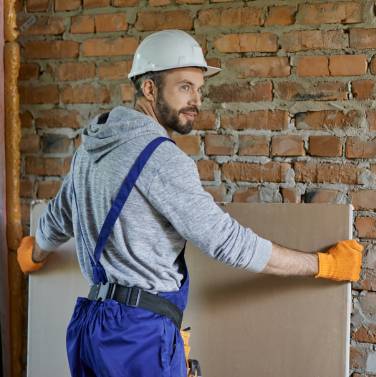
Renovating your home sounds fun, but it’s worth noting that the materials you choose will influence how your home looks in years to come. One of the materials that people don’t think much about, yet plays an important role in their remodeling process, is drywall. Despite seeming like a minor factor, using the wrong type of drywall can have some negative consequences.
In order to avoid problems in the future, knowing the difference between types of drywall can be quite helpful. This way, you can pick the appropriate drywall depending on your renovation needs. In this article, we’ve gathered several types of drywalls that all homeowners need to be aware of before their remodeling work starts.
Standard Drywall: The All-Round Winner
The standard drywall, otherwise known as whiteboard, is the most frequently used type in house construction. This type of drywall is best used in living rooms, bedrooms, and halls where the issues with fire safety or moisture resistance aren’t as relevant.
It’s lightweight, inexpensive, and easy to install, which makes it a top choice when building walls and ceilings. Standard drywall creates a good base for any design due to its perfect smoothness and readiness to be painted or textured.
Waterproof Drywall: Perfect for Humid Conditions
The moisture-resistant drywall is known by many as the green board drywall, and it is made with the aim of handling humid conditions. The kitchen, bathroom, basement, and laundry room are among the areas that will significantly benefit from this type of drywall.
As opposed to regular drywall, it contains a moisture-resistant core and a water-resistant facing paper. Even though it is not entirely waterproof, it is effective in preventing damage caused by moisture.
Fiberglass-Faced Drywall: Mold Resistant and Health-Conscious
In case you are worried about the quality of indoor air in your house, the mold-resistant drywall is recommended. This is because its construction involves the use of fiberglass facing as opposed to paper.
The mold spores will, therefore, not be able to grow in such an environment. Its benefits extend beyond minimizing the cost of repairs since it promotes better health within the premises.
Fire-Resistant Drywall: Increasing Safety
As the name suggests, fire-resistant drywall is used to hinder the spread of flames in the event of a fire. This type of drywall features specific non-combustible fiber materials to enhance its fire resistance.
Fire-resistant drywall is usually recommended for installation in garages, utility rooms, and furnace areas. It is highly recommended since it increases the safety of the property.
Soundproof Drywall: Ensuring Privacy
The primary purpose of installing soundproof drywall is to minimize noise disturbance. The drywall is made up of several layers of material to limit sound transfer from one room to another.
This kind of drywall is particularly suitable for installing in rooms such as bedrooms, offices, media rooms, or shared walls in a multi-family residence.
Impact-Resistant Drywall: Durable
Impact-resistant drywall features reinforced and sturdier material, making it harder for dents and scratches to occur. This type of drywall is usually utilized in locations where there is more traffic or accidental impacts to walls.
Hallways and children’s rooms are good examples of locations where impact-resistant drywall should be installed to increase durability and minimize repairs.
Eco-Friendly Drywall: Environmentally Friendly Remodeling Option
For people who are eco-conscious, there are choices when it comes to drywall that are friendly to the environment. They are made using recycled materials and have less negative impact on the environment.
Installing sustainable drywall helps with creating green buildings and also promotes good indoor air quality. This is the choice that you should consider when remodeling to ensure that everything goes well.
Choosing the Best Drywall for Your Home Remodeling Project
There are many things that come into consideration when choosing the correct drywall, depending on your needs. Different rooms in a house require different types of drywall.
The involvement of experienced drywall professionals is recommended for getting the best out of installing drywall. Proper installation will go hand-in-hand with drywall selection for successful remodeling.
Reasons for Opting for the Correct Drywall Choice
Unlike what most people may think, drywall is not only about adding aesthetics but has significant impacts on the overall performance of the property when it comes to fire safety, noise absorption, insulation, and strength. Selecting the wrong type of drywall could cost you dearly.
This is the reason you should know how to go about it so that your remodel will serve its purpose.
Selecting proper drywall for your remodel is essential if you wish for the project to be successful. Professional drywall installation and selection services from experienced experts, such as those at Blankenship Drywall, is the way to go.
Frequently Asked Questions
What is the most commonly used drywall in homes?
Standard drywall is the most commonly used type in residential settings. It is versatile, affordable, and suitable for most interior spaces like living rooms and bedrooms. Its smooth surface makes it easy to paint or finish, making it a popular choice for general construction and remodeling projects.
Can moisture-resistant drywall be used in showers?
Moisture-resistant drywall is not recommended for direct water exposure, such as inside showers. While it can handle humidity, it is not waterproof. Cement board or specialized waterproof materials are better suited for shower enclosures to prevent long-term damage and mold growth.
Is mold-resistant drywall worth the investment?
Where should fire-resistant drywall be installed?
Fire-resistant drywall is typically installed in garages, near furnaces, and between living spaces and attached garages. Building codes often require it in these areas to improve fire safety. It helps slow the spread of flames, giving occupants more time to evacuate during emergencies.
Does soundproof drywall completely block noise?
Soundproof drywall significantly reduces noise but does not eliminate it. It is designed to minimize sound transmission between rooms, making spaces quieter and more private. For best results, it is often combined with insulation and proper wall construction techniques.
How durable is impact-resistant drywall?
Impact-resistant drywall is much stronger than standard drywall. It is designed to withstand dents, scratches, and everyday wear, making it ideal for high-traffic areas. This durability helps maintain the appearance of walls and reduces the need for frequent repairs or replacements.
Is eco-friendly drywall as strong as regular drywall?
Yes, eco-friendly drywall is designed to perform just as well as traditional drywall. It meets industry standards for strength and durability while using sustainable materials. It is a great option for homeowners who want to reduce their environmental impact without compromising quality.
Can different drywall types be used in one home?
Absolutely. Most homes use a combination of drywall types depending on the specific needs of each room. For example, moisture-resistant drywall may be used in bathrooms, while standard drywall is used in living areas. This approach ensures optimal performance throughout the home.
How do I know which drywall type is right for my remodel?
Choosing the right drywall depends on factors like moisture levels, fire safety requirements, and room usage. Consulting with professionals can help you determine the best options for your specific project. They can recommend materials that align with both your needs and local building codes.
Does drywall type affect home value?
Yes, using the appropriate drywall can positively impact home value. High-quality and specialized drywall improves durability, safety, and overall comfort. These features are attractive to potential buyers and can make your home more appealing in the real estate market.